Somos uma AdTech, fundada em 2015, com o objetivo de unir inovação & tecnologia com análise de dados para ajudar as marcas e anunciantes a impactarem os seus targets de forma assertiva e eficiente.
Com o portfólio de produtos mais completo do mercado, além de DSP e DMP próprias, combinamos a nossa expertise humana com inteligência artificial avançada para auxiliar nossos clientes a alcançarem suas metas e melhores níveis de KPIs de suas campanhas.
Atuamos de forma global, com inventários em todos os continentes, atingindo 96% de toda a internet.
Campanhas Veiculadas
+0
Clientes Atendidos
+0
Usuários Impactados
+0 Bi
O FUTURO DA PUBLICIDADE É DATA-DRIVEN E COMEÇA AGORA
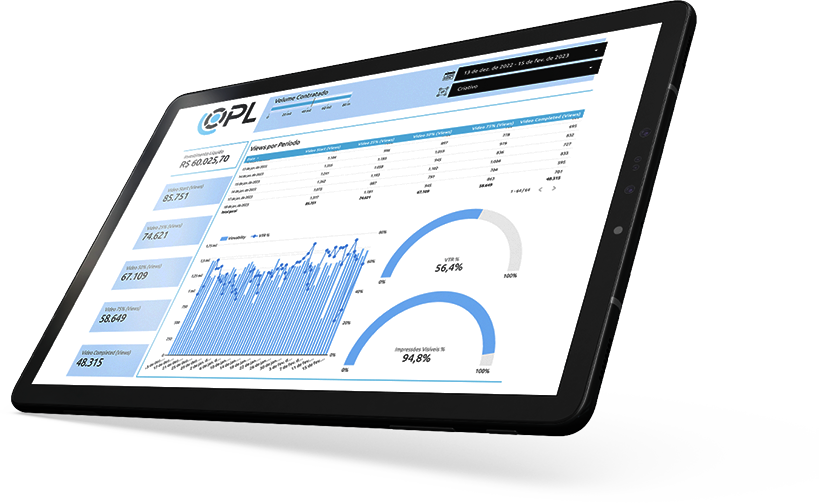
Além de planejar e executar campanhas de mídia, também oferecemos um Dashboard com resultados em tempo real personalizado para cada cliente. Acompanhar e visualizar o avanço de uma campanha de forma assertiva nunca foi tão fácil! Nosso objetivo é trabalhar a otimização constante, com foco nos resultados.
Em 2024 conquistamos o selo Carbon Free. Passamos a neutralizar nossas emissões de carbono, convertendo os créditos gerados no plantio de árvores nativas em locais degradados. Serão neutralizadas até 30 toneladas de carbono.
Gestão Inclusiva
Apoiamos a equidade de gênero, inclusão racial, a diversidade etária e geracional. Contamos com 71% de mulheres no quadro de colaboradores, sendo 58% em cargos de liderança.
NPS
Adotamos NPS para monitoramento da satisfação dos clientes.
Fornecedores
Avaliamos e monitoramos a adequação dos nossos fornecedores aos nossos princípios, valores e compromissos.
LGPD, Direitos Humanos e Gestão de Riscos
Trabalhamos em compliance com as exigências da LGPD visando reforçar o nosso comprometimento com Direitos Humanos e Gestão de Riscos.
Aprimoramento da cultura e capacitação dos colaboradores
Todos os funcionários passam pelo processo de treinamento para acompanhamento e aceleração de seu desenvolvimento pessoal.
Ética
Sempre priorizamos a Ética nas relações e nos negócios.
Clique para ler sobre
Carbon Free
Em 2024 conquistamos o selo Carbon Free. Passamos a neutralizar nossas emissões de carbono, convertendo os créditos gerados no plantio de árvores nativas em locais degradados. Serão neutralizadas até 30 toneladas de carbono.
Gestão Inclusiva
Apoiamos a equidade de gênero, inclusão racial, a diversidade etária e geracional. Contamos com 71% de mulheres no quadro de colaboradores, sendo 58% em cargos de liderança.
NPS
Adotamos NPS para monitoramento da satisfação dos clientes.
Fornecedores
Avaliamos e monitoramos a adequação dos nossos fornecedores aos nossos princípios, valores e compromissos.
LGPD, Direitos Humanos e Gestão de Riscos
Trabalhamos em compliance com as exigências da LGPD visando reforçar o nosso comprometimento com Direitos Humanos e Gestão de Riscos.
Aprimoramento da cultura e capacitação dos colaboradores
Todos os funcionários passam pelo processo de treinamento para acompanhamento e aceleração de seu desenvolvimento pessoal.
Ética
Sempre priorizamos a Ética nas relações e nos negócios.
Segurança de dados
Recursos completos de auditoria e verificação independente para entender os níveis de segurança e fraude.
Brand Safety
Downloads ilegais
Conteúdo adulto
Violência
Conteúdo incentivado
Jogos de azar
Proteção de dados
Auditoria de terceiros sob consulta
OPL na Mídia
A OPL Digital está em destaque nos principais veículos e eventos do mercado publicitário. Confira nossas matérias e participações.
“Tivemos uma boa experiência com os produtos da OPL. A campanha de geolocalização que fizemos teve resultados expressivos. A ideia agora é mergulhar e testar outros produtos!”
“Trabalho com a OPL há quase 5 anos e os resultados são extremamente satisfatórios. Além de diversos formatos de mídia, eles têm um planejamento diferenciado, sempre com um olhar muito apurado e estratégico.”
“A OPL é um excelente parceiro. Através de formatos inovadores, conseguimos ótimos resultados em campanhas de awareness e consideração. Super recomendo os serviços da OPL não só pelos resultados, mas também pelo respeito e dedicação em seu atendimento.”
“A OPL compõe nossa estratégia digital há tempos. O veículo tem como diferencial as diversas soluções digitais incríveis que nos auxiliam muito a atingir os resultados planejados. Além da composição de time, que é super parceiro e está sempre pronto a nos auxiliar no que for preciso.”
Nossa razão de EXISTIR. Proporcionar uma experiência única com inovação e tecnologia para o mundo digital.
Ser referência em mobile marketing no Brasil, proporcionando soluções únicas e resultados expressivos.
Caráter verdadeiro | Trabalho em Equipe | Inovação | Paixão pelo que faz | Meritocracia
Nossa razão de EXISTIR. Proporcionar uma experiência única com inovação e tecnologia para o mundo digital.
Ser referência em mobile marketing no Brasil, proporcionando soluções únicas e resultados expressivos.
Caráter verdadeiro | Trabalho em Equipe | Inovação | Paixão pelo que faz | Meritocracia
Blog
A economia da atenção 2.0: por que campanhas precisarão disputar menos cliques e mais presença mental